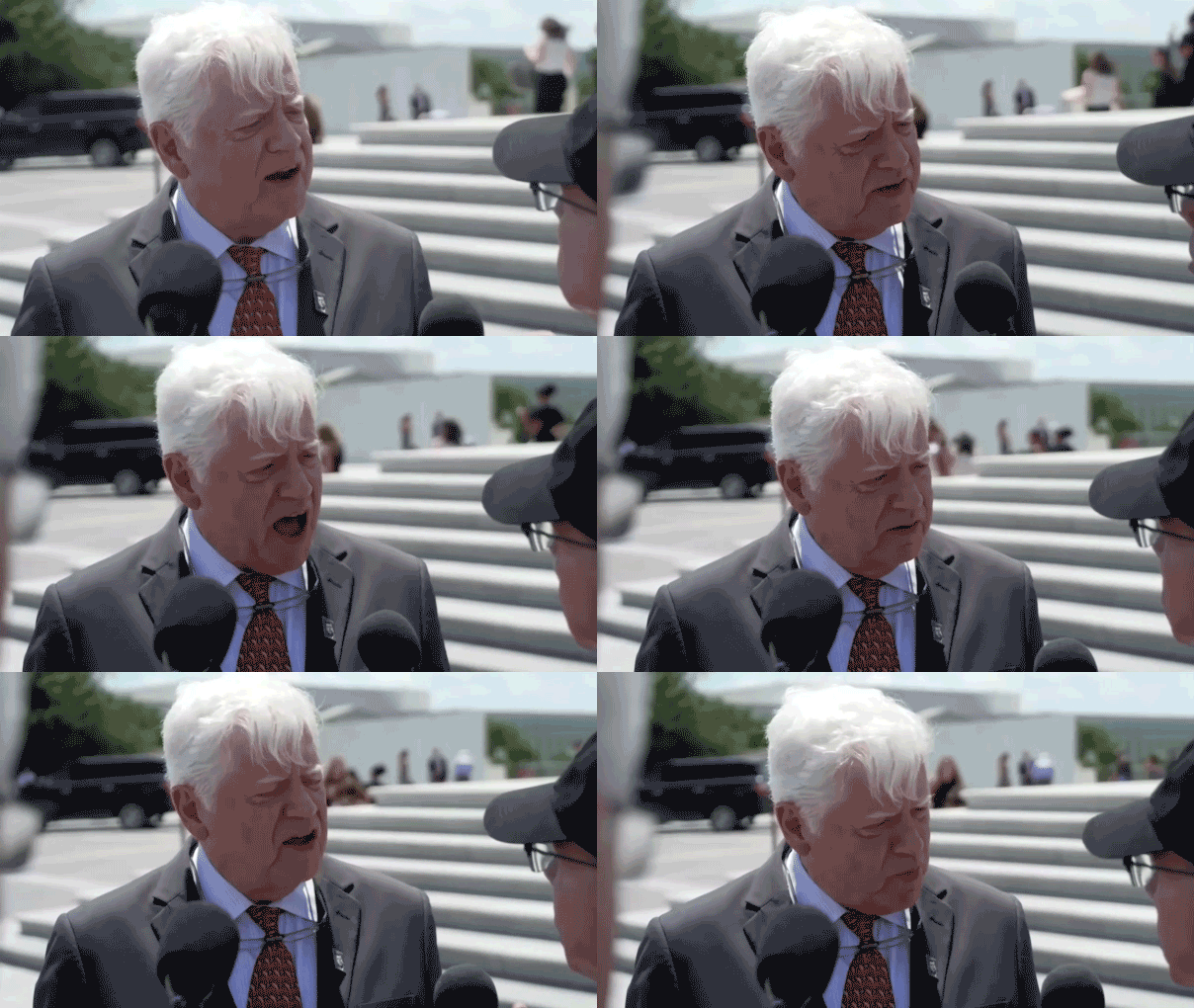
Leah Stokes, a professor of environmental politics at the University of California-Santa Barbara who calculated the total household costs I mentioned earlier, answered my questions with a detailed calculation of how she arrived at the $1,508 per household cost of Trump’s energy policies and concluded her email with:
The big issue here is corruption. Trump is doing the will of the oil industry and enriching his friends because they elected him.
I can’t understand why he keeps opening these old, dirty, expensive coal plants that were slated for closure in places like Michigan. Someone is getting very rich from these decisions, and everyday Americans are paying the price.
Among the increased household expenses listed:
Electric bills: Trump’s fight for clean energy is driving up energy costs for American households. Princeton’s REPEAT Project projects annual household energy costs to rise to $415 by 2035. Electricity prices are rising twice as fast as overall inflation by 2025.
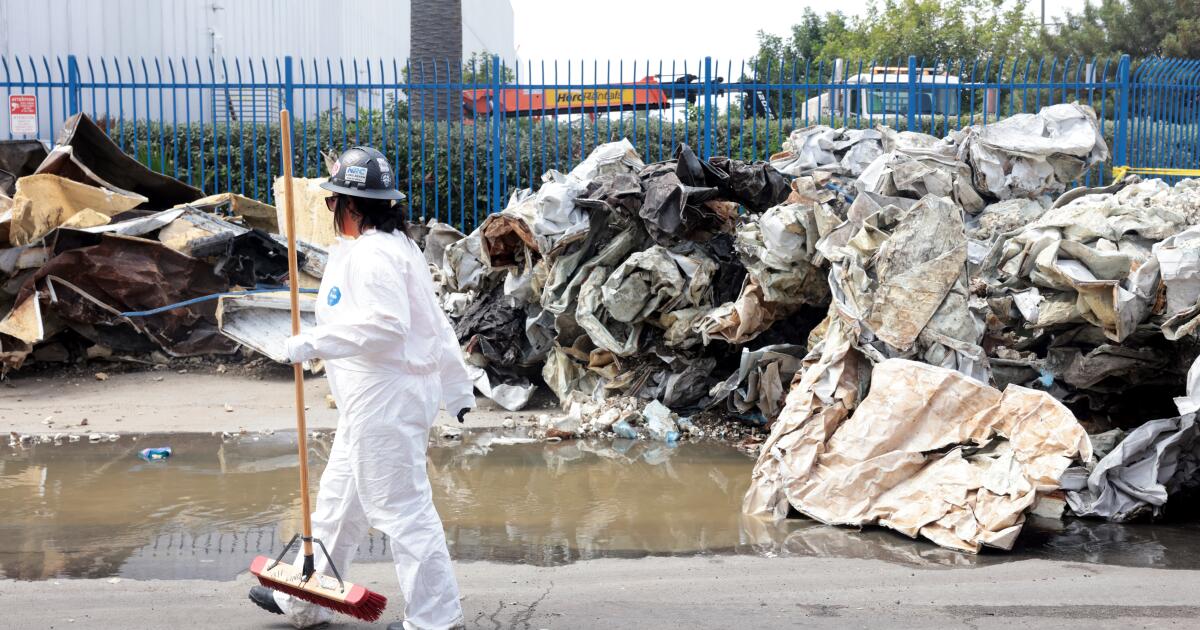
Keeping bankrupt plants online: In some parts of the country, Trump has racked up even more electricity bills by keeping old, expensive and dirty coal plants running when they should be shut down. Using emergency grid power, Trump ordered utilities to keep cash-strapped coal plants running that were slated for retirement.
Already, 308 million dollars have been spent to keep these plants online. The Campbell coal plant in Michigan alone costs $615,000 a day to keep operating. The Indiana plants forced to stay open cost utilities about $200,000 a day. In Colorado, the Craig plant was already broken when the order was issued; Grid Strategies estimates it will cost $85 million a year to continue operating. If managers transfer these orders to additional plants, Grid Strategies estimates the total cost to customers is $3-6 billion annually. Trump revoked the government’s mandate to keep expensive, outdated, and dirty plants alive — then sent home a bill.
Gas. According to Brown University’s Iran War Energy Cost Tracker, everyday people have already paid $37 billion more in gasoline and diesel — about $285 per household — because of Trump’s war.
In addition to the direct increase in household costs, Stokes described a wide range of negative effects brought about by Trump’s energy policies, including
Investment: $29 billion in canceled manufacturing investments and more than 39,000 lost jobs by 2025 alone. E2’s Clean Economy Works Project Tracker, which includes non-manufacturing export projects, estimates $34.8 billion by 2025, about $300 million canceled and another $1000 million newly announced.
China: The United States is abandoning leadership in solar, batteries, EVs and grid storage at the same time China is doubling down on clean technology with its new Five Year Plan. China announced 101 new clean-tech projects by March 2025.
Payoffs: Trump’s tax policy raises costs in both directions — blocking cheap clean energy while making it more expensive to build. The cost of solar cells and modules from Cambodia, Vietnam, Thailand and Malaysia – which together provide about 80 percent of US solar photovoltaic purchases – now range from 14 percent to 3,500. At the same time, prices on transformers, cables, and grid equipment increase utility costs that are passed directly to ratepayers.
Climate damage: Trump’s policies will add seven billion tons of greenhouse gas emissions to the atmosphere by 2030 compared to the goal of the US Paris Agreement. Using the Biden EPA’s social cost of carbon, that would result in $1.6 trillion in global climate damage.
Jeff Colgan, director of the Climate Solutions Lab and professor of political science and international and public affairs at Brown, added another cost to Trump’s attack on clean energy: reducing national security.
“For the second time in five years,” he wrote in an email,
geopolitics creates the problem of fossil fuels – but the price of sunlight and wind remains free. Renewables have a national security advantage over fossil fuels, in addition to environmental benefits. People talk about renewables as being “unreliable” because there are no intervals (no sun at night, fluctuating wind speeds) but it seems that geopolitics is making fossil fuels less reliable than more.
Atlas Public Policy, a consulting firm that advises clients on clean and renewable energy strategies and infrastructure, released a report this month, “The Race for Clean Energy Leadership.”
The headline clearly states what Atlas found: “China Builds Clean Manufacturing While United States Falls Behind.”
China, according to Atlas,
build a large production capacity at home, and increasingly, growing production abroad to overcome trade restrictions and present itself as a global leader in the future of energy. After China ($509.7 billion), the United States ($236.1 billion) is second in declared investment.
I The analysis cited the 2024 annual report issued by the US-China Economic and Security Review Commission, which was created (and reported) to Congress.
The commission’s report found that not only is the United States lagging behind China in power, but that the United States is increasingly dependent on China. As a result, Atlas continued:
The strength of Chinese manufacturing and innovation in many parts of the clean energy supply chain, including battery components and solar components, means that countries are increasingly relying on China.
Policies that discourage the production and distribution of clean energy in the United States risk weakening the country’s position in the global clean energy supply chain, creating space for China to strengthen its market leadership.
The United States, the report continued, “has seen a decline in investment in clean products in recent years,” “coinciding with Congress removing sought-after incentives such as tax credits for electric vehicles, solar and wind industries and the Trump administration cutting off the Greenhouse Gas Reduction Fund and redirecting the Department of Energy’s Office of Loan Program to fossil fuels.”